What the Anion Gap Shows
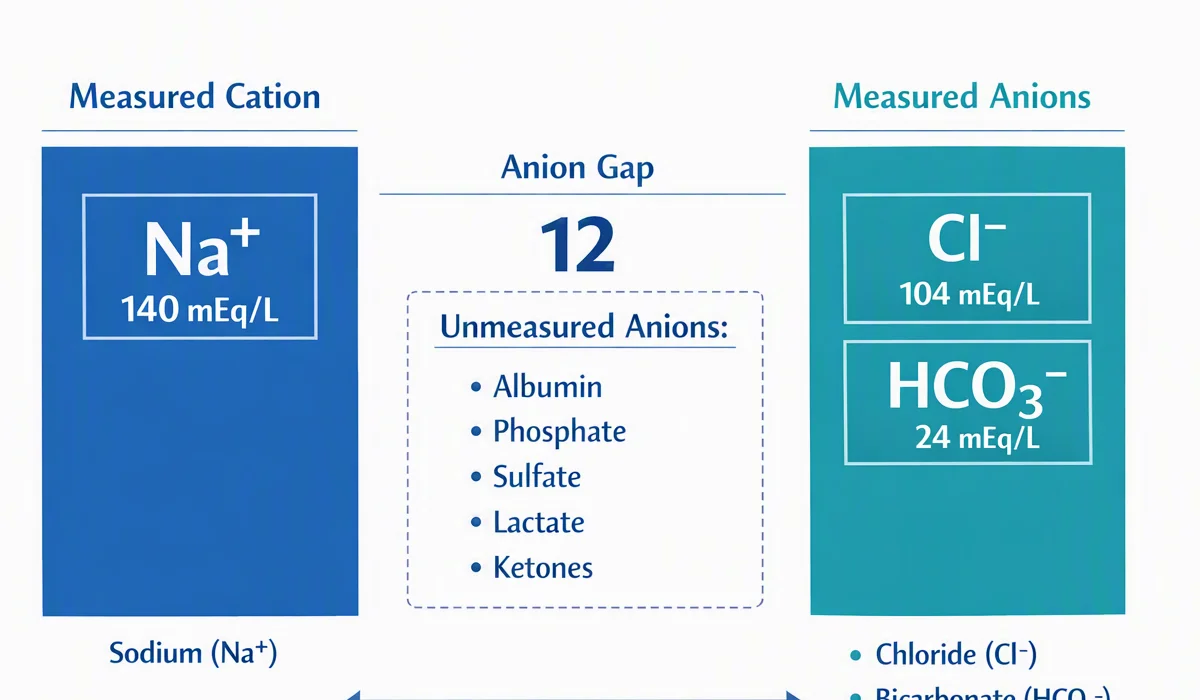
The anion gap is a helpful way to analyze a serum electrolytes test and identify hidden shifts in acid-base balance. It reflects the difference between measured positive ions and measured anions in the blood. Because the body maintains electrical neutrality, a difference exists between the ions commonly reported on standard chemistry testing and the unmeasured ions that also contribute to overall charge.
In clinical terms, the anion gap helps clinicians recognize a possible metabolic acidosis and narrow the list of likely causes. It is not a isolated diagnosis. Instead, it is a diagnostic aid within broader electrolyte interpretation and laboratory analysis. When paired with the rest of the electrolyte panel, it can reveal whether there is an accumulation of acids, a loss of bicarbonate, or another metabolic disturbance affecting the patient.
The anion gap is especially helpful because many important acids and their accompanying anions are not directly measured in routine serum chemistry. These unmeasured anions can increase the gap when they accumulate. That is why the anion gap is often used as part of an acid-base evaluation and broader diagnostic framework for suspected acid-base disorders.
How to Work with an Anion Gap Calculator
An Anion Gap Calculator is an easy method to complete anion gap calculation using the most common laboratory values. The calculator typically asks for sodium, chloride, and bicarbonate. Once entered, it calculates the gap and supports immediate clinical assessment of the patient’s electrolyte pattern.
Using the calculator is straightforward:
- Enter the serum sodium value from the electrolyte panel. Type in the serum chloride value. Enter the bicarbonate value, often reported as CO2 on chemistry testing. Review the calculated anion gap and compare it with the lab’s reference range.
The calculator can serve as a fast interpretation guide, especially when deciding whether a patient’s picture suggests high anion gap metabolic acidosis or a more typical normal anion gap metabolic acidosis. It is also useful when reviewing serial labs, because changing values can show whether a metabolic problem is improving or worsening.
A calculator should be used as a diagnostic aid, not as a replacement for a full evaluation. The number itself matters, but so do the patient’s symptoms, history, medications, and other laboratory values. For example, the same anion gap may mean something different in a patient with vomiting, kidney disease, or suspected toxin exposure.
Formula for Anion Gap and Reference Range
The standard anion gap formula is:
Anion gap = sodium − (chloride + bicarbonate)
Some practitioners and laboratories may use variations that include potassium, but the sodium-based formula is the most widely used for standard review. The resulting value approximates the amount of measured cations not accounted for by measured anions and therefore helps identify unmeasured anions.
The normal anion gap is not identical in every laboratory. The specific reference range depends on the assay method, analyzer, and lab-specific reporting practices. This is why the calculator result should always be compared with the local range rather than relying on a single universal cutoff. In many settings, the normal range is relatively narrow, and a result above it raises concern for excess acids or changes in albumin.
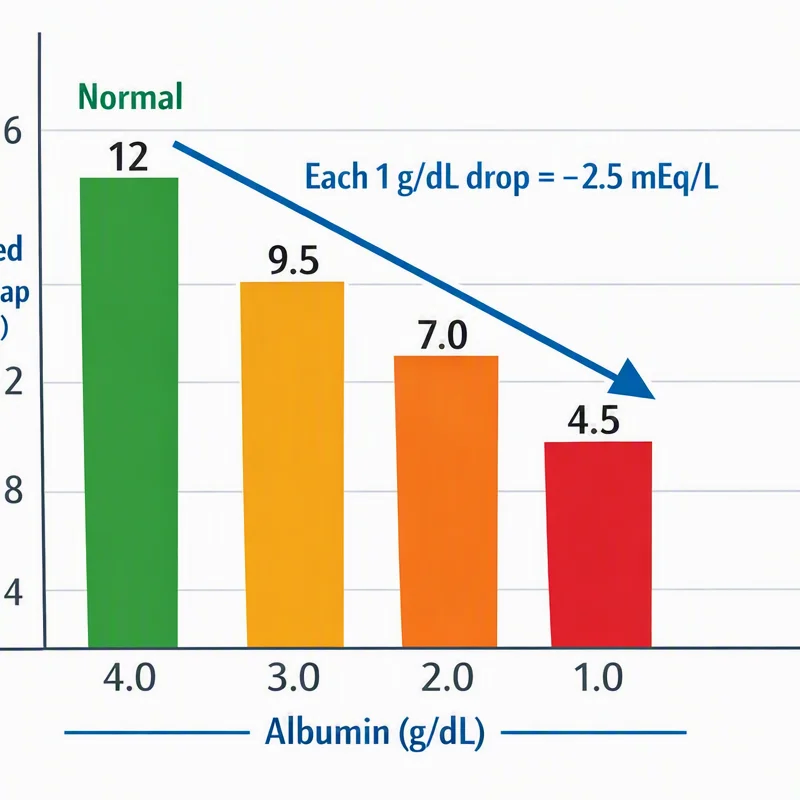
Albumin plays a key role because it is a major negatively charged protein in serum and contributes significantly to the expected gap. When serum albumin is lower, the measured anion gap may appear falsely normal or low even if there is an underlying acid-base problem. That is why albumin is an essential part of any careful laboratory analysis of the anion gap.
Interpreting the number also requires understanding the clinical setting. A mildly increased value may suggest early disease, while a much higher value more strongly suggests a significant metabolic acidosis. The calculator provides the number, but the meaning comes from the broader acid-base disorder context.
Corrected Anion Gap for Low Albumin
If serum albumin is reduced, the raw anion gap can downplay the true acid burden. That is where albumin correction becomes important. In patients with hypoalbuminemia, the corrected anion gap adjusts the reported value to more accurately reflect the underlying chemistry.
The explanation for this adjustment is physiologic. Albumin is a major unmeasured anion, so a reduction in albumin reduces the expected anion gap. Without correction, a patient with clinically important acid accumulation may appear to have a normal result. That can lead to overlooked detection of an acid-base problem during electrolyte interpretation.
Various formulas may be used for albumin adjustment, but the overall concept is the same: estimate what the anion gap would be if albumin were normal. The corrected value is then compared with the usual reference range. If the corrected result is elevated, it indicates the presence of an acid load even when the uncorrected result looks less impressive.
This step is particularly useful in patients who are critically ill, malnourished, or have chronic disease associated with low protein states. In those settings, a calculator that accounts for albumin helps refine anion gap interpretation and improves the clinical usefulness of the number.
Elevated Anion Gap vs Normal Anion Gap Metabolic Acidosis
One of the main uses of the anion gap is to separate high anion gap metabolic acidosis from normal anion gap metabolic acidosis. Each are varieties of metabolic acidosis, but they occur through separate mechanisms and indicate different causes.
In high anion gap metabolic acidosis, extra acids build up in the body. Their anions are not regularly measured, so the gap rises. Common examples include lactic acidosis, ketoacidosis, and acid retention from renal failure or uremia. In these cases, the calculator can identify a problem that might otherwise be masked inside a complex electrolyte picture.
In normal anion gap metabolic acidosis, bicarbonate drops but the gap does not rise because chloride often goes up to maintain balance. This pattern is also called a hyperchloremic acidosis. It may occur with gastrointestinal bicarbonate loss or renal tubular problems. The key point is that the anion gap stays near the expected level even though the patient still has an acid-base problem.
Recognizing these patterns is central to acid-base balance https://anion-gap-calculation.com/acid-base-disorders/mixed.html assessment. A calculator can quickly suggest which pathway is more likely, but the final judgment depends on the rest of the lab data and clinical context. That is why a structured diagnostic framework is so important during metabolic acidosis workup.
Frequent Causes of an Increased Anion Gap
An increased gap can indicate a broad spectrum of conditions. The main causes are often remembered as part of a differential diagnosis for acid-base disorders, but the specific cause should always be correlated to the patient’s symptoms and test findings.
- Ketoacidosis: Seen in diabetic, alcoholic, or starvation states, where ketone acids accumulate and raise the gap. Toxic alcohols: Ingestions involving methanol, ethylene glycol, or related substances can cause a severe high gap and severe metabolic disturbance. Uremia: Advanced kidney dysfunction can allow acids to collect, leading to a high gap. Salicylates: Overdose can produce mixed acid-base patterns, including an elevated gap. Lactic acidosis: Tissue hypoperfusion, sepsis, seizures, or other causes of lactate accumulation can raise the gap markedly. Renal failure: Reduced acid excretion and retained organic acids commonly result in a high anion gap state.
These conditions are significant because they may need prompt treatment. An elevated gap is not a diagnosis by itself, but it is a strong clue that something significant is affecting the patient’s acid-base balance. In some cases, mixed disorders can blur the picture, which makes systematic analysis even more important.
Stepwise Electrolyte Analysis
A organized approach helps make the most of any electrolyte panel. The purpose is to move from the numbers to a clear clinical interpretation without overlooking important details. The following points provide a useful method.
- Step 1: Examine sodium, chloride, and bicarbonate as a group instead of in isolation. Step 2: Work out the anion gap using the standard formula or an Anion Gap Calculator. Step 3: Compare the result with the laboratory’s reference range. Step 4: Check serum albumin and determine whether albumin correction is needed. Step 5: Assess whether the pattern suggests high anion gap metabolic acidosis or normal anion gap metabolic acidosis. Step 6: Consider a delta gap when the anion gap is elevated and the bicarbonate is low.
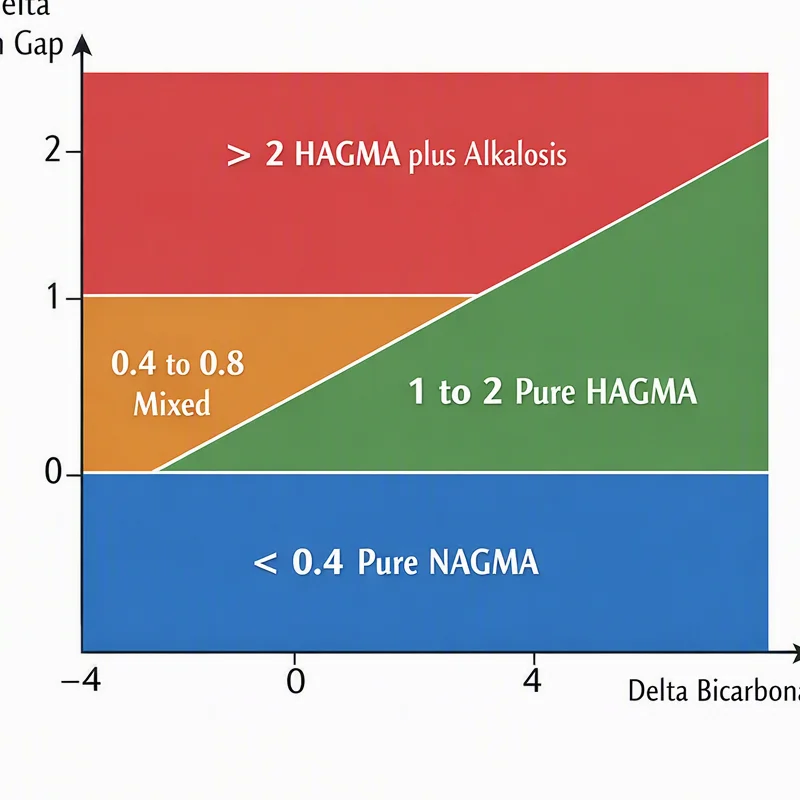
The delta gap can help identify mixed acid-base disorders. If the elevation in anion gap is more marked or lower than expected relative to the fall in bicarbonate, there may be another process present, such as a metabolic alkalosis or an additional non-gap acidosis. This makes the calculation more than a simple number; it becomes part of a larger acid-base evaluation.
Clinical interpretation improves when the anion gap is paired with the full history, physical exam, and other lab findings. For example, a patient with vomiting, dehydration, and ketones may have a different explanation than a patient with renal dysfunction and rising creatinine. The same lab pattern can have very different implications depending on the setting.
When an Anion Gap Result Needs Clinical Correlation
An anion gap number should consistently be interpreted in relation to the clinical picture. That means looking past the calculator result and using supporting information to confirm the suspected diagnosis. Important adjunctive tests include a blood gas, serum lactate, and assessment of kidney function.
A blood gas helps define the acid-base status more completely by showing pH, partial pressure of carbon dioxide, and bicarbonate in a systemic context. Serum lactate can suggest lactic acidosis when tissue hypoperfusion or another cause of elevated lactate is suspected. Kidney function testing helps identify renal failure or uremic acid retention as a possible source of the abnormal gap.
Clinical correlation is especially important when the result does not align with the patient’s condition. A normal gap does not rule out clinically important illness, and a high gap should prompt review for causes such as ketoacidosis, toxic alcohols, salicylates, or other metabolic disturbances. Likewise, low albumin can obscure a true abnormality, making the corrected anion gap more informative than the unadjusted number.
In practice, the best anion gap interpretation combines calculator output with a careful review of symptoms, medication exposure, volume status, and other laboratory findings. That combination supports better clinical assessment and more accurate decisions during the metabolic acidosis workup.
Frequently Asked Questions
What is an anion gap calculator used for?
An anion gap calculator is used to support electrolyte interpretation by quickly estimating the anion gap from routine serum values. It helps detect possible metabolic acidosis, separate between high and normal gap patterns, and guide further clinical assessment. It is a helpful diagnostic aid rather than a complete diagnosis on its own.
How do you calculate the anion gap from sodium, chloride, and bicarbonate?
Use the standard anion gap equation: sodium minus the sum of chloride and bicarbonate. Put another way, anion gap = sodium − (chloride + bicarbonate). This uses the basic blood chemistry values from the electrolyte report and is the most common method for routine anion gap calculation.
What is regarded as a normal anion gap?
The usual anion gap depends on the lab’s reported range and the analyzer used. As testing methods differ, the reported range should always be checked against the specific laboratory values in front of you. A result inside the local range is generally considered normal, while a result above it may suggest a high-gap process or a need for adjusting for albumin.
Why do you correct the anion gap for low albumin?
You correct the anion gap because blood albumin is a major unmeasured anion. In hypoalbuminemia, the raw value can look falsely low or normal even when a clinically important acid burden is present. Correction for albumin produces a more accurate adjusted anion gap and improves the quality of interpretation of the anion gap.
What can cause a high anion gap?
Common causes of a high gap include lactic acidosis, ketotic acidosis, uremia, renal insufficiency, poisoning by alcohols, and salicylate toxicity. These conditions increase unaccounted anions or reduce acid clearance, leading to elevated anion gap metabolic acidosis. The result should be interpreted with a blood gas test, serum lactate, and the rest of the clinical picture.